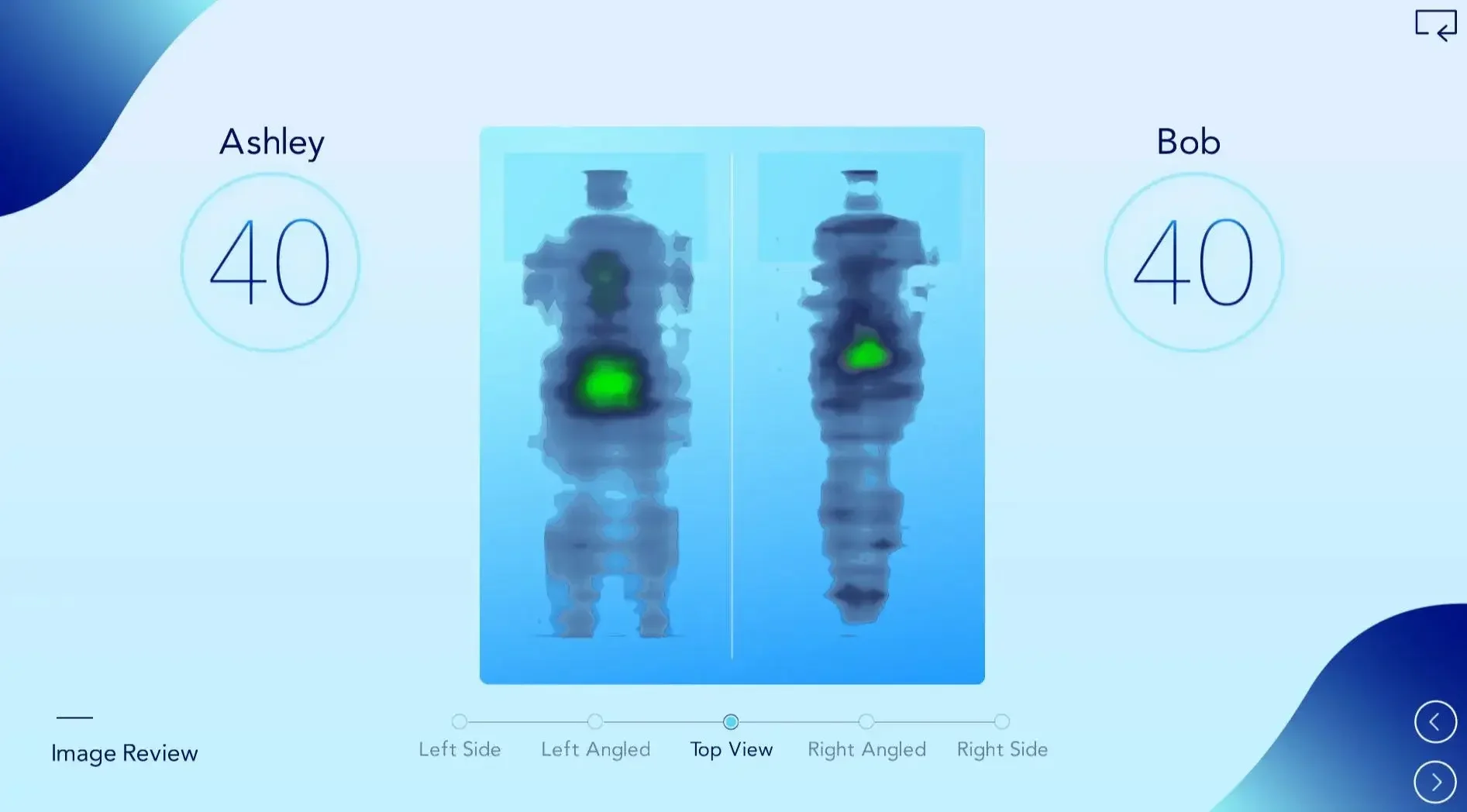
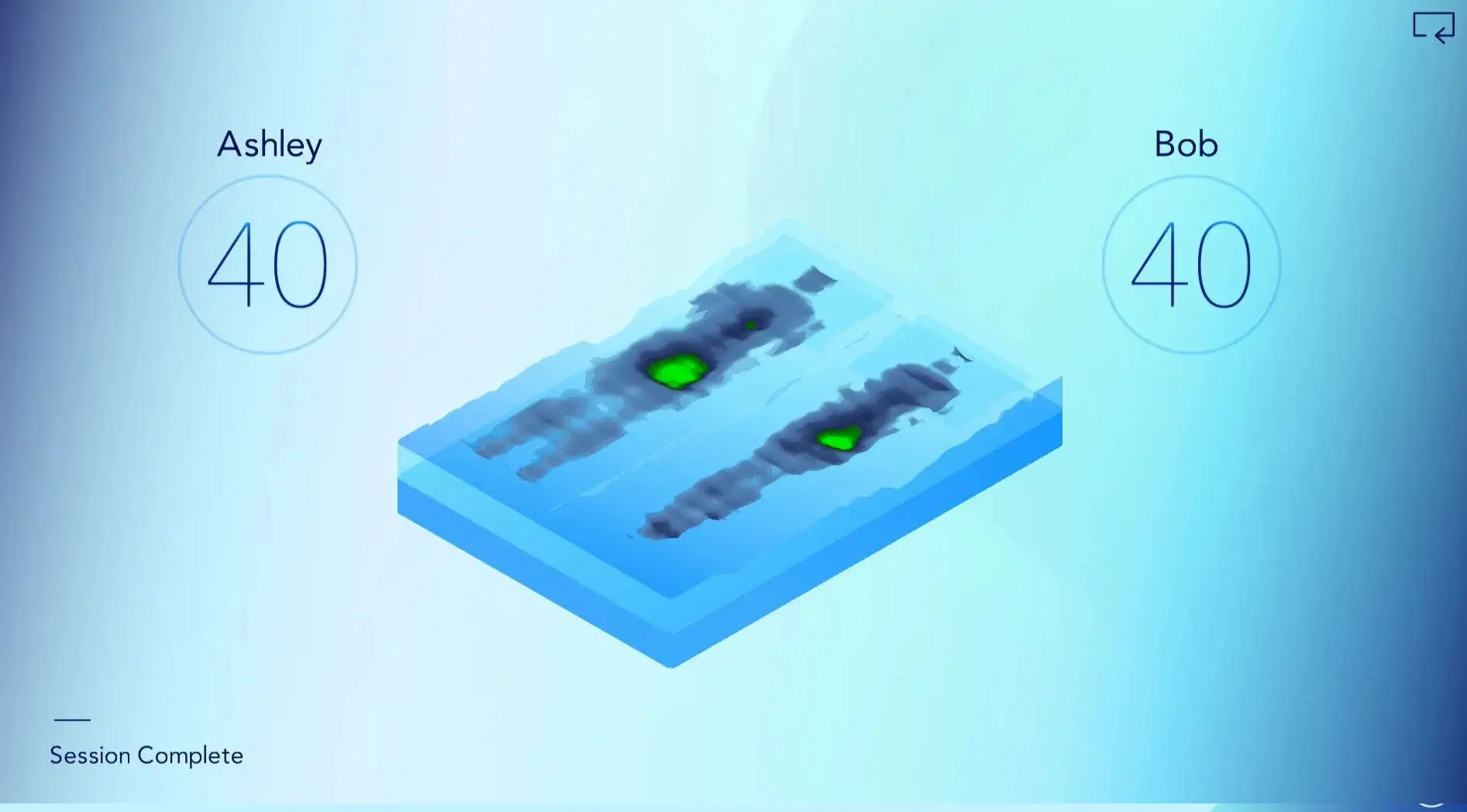
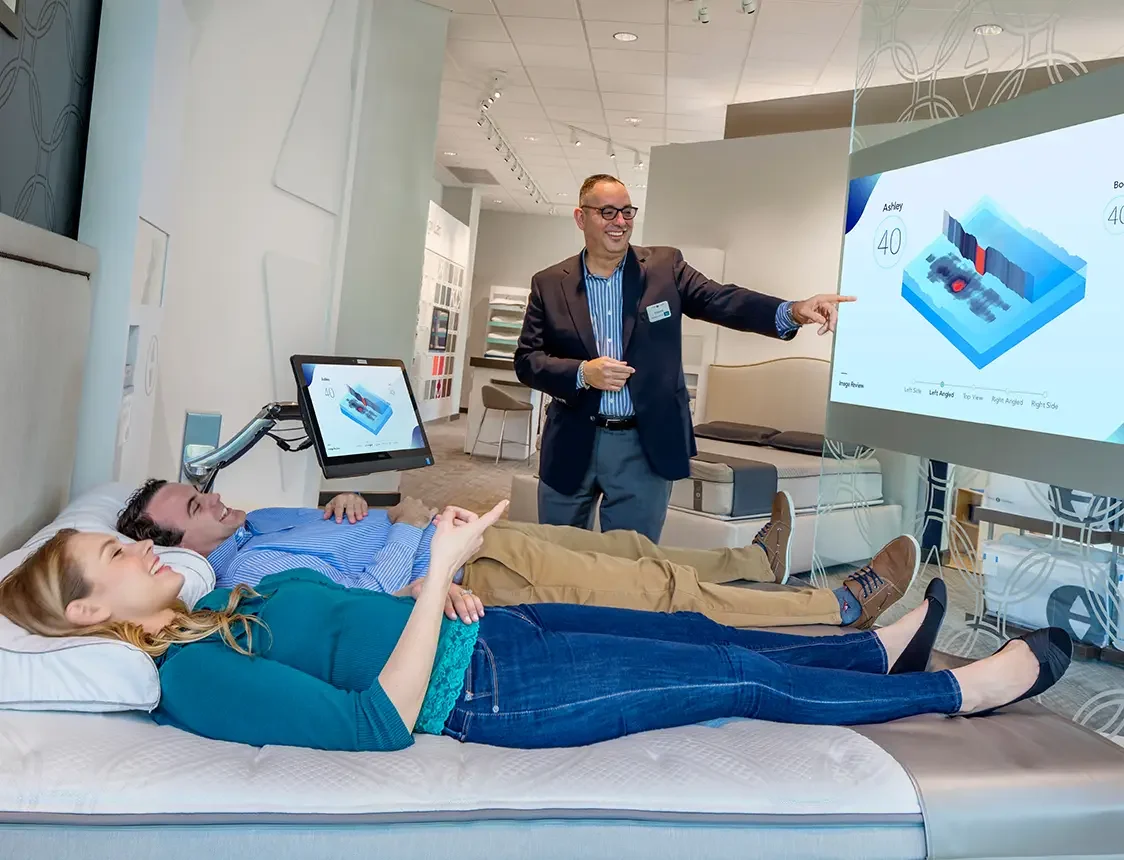
I designed an in‑store digital experience that helped Sleep Number customers discover their ideal comfort level, their Sleep Number setting, through an intuitive and sensory interactive experience. I focused on how people understand comfort, pressure relief, and support when they can see and feel the difference. This work is grounded in human centered design principles and the emotional impact of pairing physical sensation with clear visual cues. I created a 3D visualization system and interactive interface connected to a pressure‑mapping surface that revealed areas of physical tension to the customer in real time. As the bed was adjusted by the sales associate, the interface showed how pressure points were relieved, reinforcing the connection between what customers felt and what they saw.
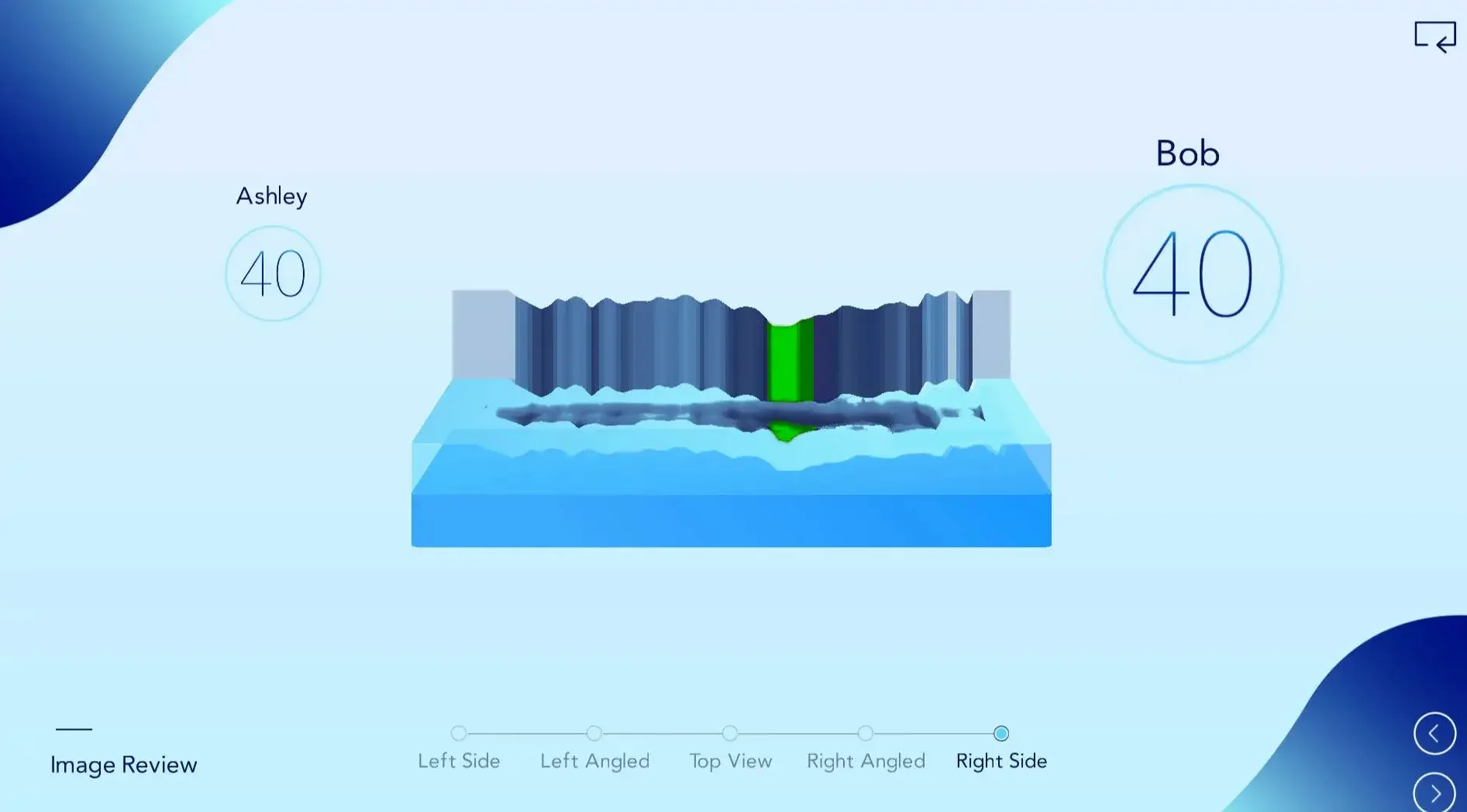
I shaped the experience to guide both the consultant and the customer through a clear, streamlined flow that made the technology easy to understand and the interaction engaging. Customers could view their body from multiple angles and see how the system adapted uniquely to them, creating a “feel it to believe it” moment that strengthened confidence in the product. Through iterative refinement with store teams, I delivered an experience that balanced the emotional and the physical, helping customers quickly grasp the value of the Sleep Number bed.
Case Study
IndividualFit In-store Experience
Sleep Number
Disciplines & Tools
Human centered design — grounded the experience in how customers perceive comfort, pressure relief, and support through sensory feedback.
Experience mapping — mapped the in‑store journey between customer, sales associate, and digital touchpoints to define the ideal flow.
Interaction design — created the interface that guided consultants and customers through pressure mapping, adjustments, and comfort discovery.
3D visualization design — built a real‑time 3D body rendering to visualize pressure points and demonstrate how support changed as the bed was adjusted.
Service design — aligned the digital tool with the sales associate’s workflow to create a consistent, repeatable, feel‑it‑to‑believe‑it evaluation process.
Rapid prototyping — iterated quickly with store teams to validate clarity, timing, and the emotional impact of the experience.
Usability evaluation — tested comprehension, visual clarity, and the customer’s ability to understand their Sleep Number setting.
Cross functional collaboration — partnered with product teams, engineers, and retail leaders to ensure technical feasibility and in‑store operational fit.
Visual communication design — crafted clear, reassuring visual cues that helped customers interpret pressure relief and understand the value proposition.
Retail experience design — integrated the tool into the physical showroom environment to enhance the sales conversation and support double digit sales growth.
Disciplines & Tools
Human centered design — grounded the experience in how customers perceive comfort, pressure relief, and support through sensory feedback.
Experience mapping — mapped the in‑store journey between customer, sales associate, and digital touchpoints to define the ideal flow.
Interaction design — created the interface that guided consultants and customers through pressure mapping, adjustments, and comfort discovery.
3D visualization design — built a real‑time 3D body rendering to visualize pressure points and demonstrate how support changed as the bed was adjusted.
Service design — aligned the digital tool with the sales associate’s workflow to create a consistent, repeatable, feel‑it‑to‑believe‑it evaluation process.
Rapid prototyping — iterated quickly with store teams to validate clarity, timing, and the emotional impact of the experience.
Usability evaluation — tested comprehension, visual clarity, and the customer’s ability to understand their Sleep Number setting.
Cross functional collaboration — partnered with product teams, engineers, and retail leaders to ensure technical feasibility and in‑store operational fit.
Visual communication design — crafted clear, reassuring visual cues that helped customers interpret pressure relief and understand the value proposition.
Retail experience design — integrated the tool into the physical showroom environment to enhance the sales conversation and support double digit sales growth.
Challenge
The challenge was to design an in‑store digital experience that helped customers understand and feel their ideal Sleep Number setting in a way that was intuitive, trustworthy, and aligned with the sales associate’s workflow. The existing process relied heavily on verbal explanation, which made it difficult for customers to interpret pressure relief or understand how the bed adapted to their body. To overcome this, the visuals needed to be striking and emotionally compelling, amplifying the customer’s physical sensations and accelerating their sense of comfort, relief, and support. The experience had to evoke an immediate emotional response that reinforced what the customer was feeling in their body, creating a clear and memorable connection between sensation and visualization. At the same time, the solution needed to be consistent, repeatable, and easy for associates to guide within the retail environment.
Approach
I approached the work by grounding the experience in human centered design principles and focusing on how customers interpret comfort when they can see and feel changes in real time. I created a 3D visualization system paired with a pressure‑mapping surface that revealed tension points as customers lay on the bed. As the bed was adjusted by the sales associate, the interface showed how pressure was relieved, creating a clear connection between physical sensation and visual feedback. Using experience mapping, interaction design, and rapid prototyping, I refined the flow to support both the associate’s narrative and the customer’s understanding. Through iterative testing with store teams, I delivered a streamlined, guided experience that made the technology accessible, emotionally resonant, and easy for customers to understand.

-
![Default Sleep Number Setting of 100 to enhance and show pressure points]()
Show pressure points
-
![Relieve pressure points]()
Relieve pressure points
-
![45 degree angle image]()
45 degree angle
-
![Side view angle]()
Side view angle
-
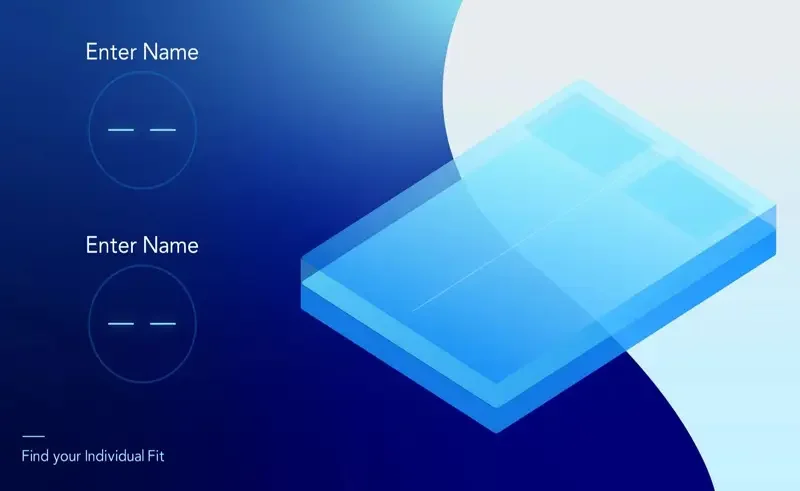
![Email acquisition image]()
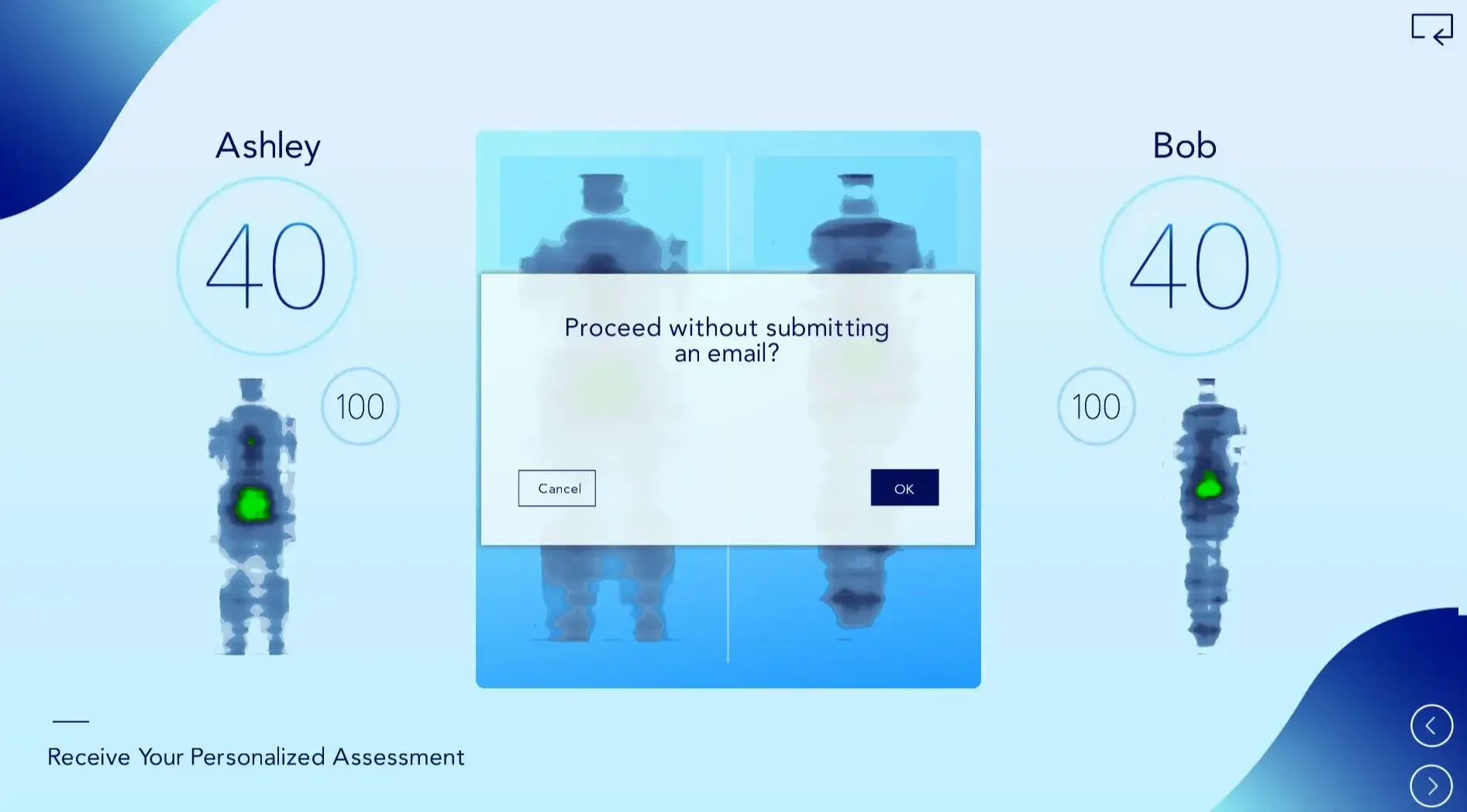
Email acquisition
-
![Final screen image]()
Final screen image with start over for next customer